Posted on

The History & Origins Of CBD In Alternative Medicine

The History & Origins of CBD

As a leading voice in CBD products and education in the South Bay, Cloud City Supply is celebrating National CBD Day with a little history lesson today. In this post, we will explore the history and origins of CBD, and explain how the compound became such an attractive option in alternative medicinal practices today.

Although CBD seems to have only gained popularity in recent years, did you know there’s actually a rich history that dates back thousands of years in various ancient cultures that have used cannabis for its plethora of healing properties?

The origins and evolution of CBD in medicine

Originating documentation begins in 2737 BCE in ancient Chinese medical texts. Chinese physicians used the cannabis plant as a natural remedy for various conditions including pain relief, inflammation, and indigestion. In the ancient Indian Ayurvedic medicinal practice – one of the world’s oldest holistic healing systems – cannabis was also used for pain management, anxiety, and even epilepsy. Around the 7th century, the plant gained recognition in the Middle East and quickly became a staple herbal remedy throughout Islamic cultures. Arabic medical texts mention it was utilized for many of the same therapeutic purposes, most notably for pain relief.

Eventually, cannabis’ gleaming reputation reached Europe during the medieval period and was listed in many pharmacopeias throughout the 19th century. During this time cannabis was also used for copious common medicinal purposes in the United States until it was later criminalized in the early 20th century. It wasn’t until the 1940s when CBD garnered the interest of researchers who first discovered the compound in the cannabis plant. Approximately 50 years later, after scientists ascertained knowledge of the endocannabinoid system (ECS) in the 1990s, data about specific cannabinoid extracts (like CBD) and how they interact with the human body to produce these magical effects became available.

Modern research and legalization

The medical marijuana movement gained momentum in the late 20th and early 21st centuries, which led to the legalization of medical cannabis in several countries and states within the United States. Research shows that medical marijuana has made a significant impact on the treatment of chronic health conditions such as epilepsy, multiple sclerosis, and chronic pain. CBD is most affectionately known for providing the same therapeutic benefits as marijuana without the psychoactive effects. This has earned the compound’s credibility as an effective, non-intoxicating antidote in modern alternative medicine.

As the stigma around cannabis decreases, more countries and states have moved to legalize its medicinal and even recreational use. Legalization has opened doors for new findings in research and development that suggest CBD as a notable treatment for conditions ranging from anxiety, insomnia, inflammation, and neurodegenerative diseases. Today, relaxing legal restrictions for the use and production of CBD continues to allow new learnings about the compound and its potential medical applications to surface.

The future of CBD

The history of CBD in alternative medicine reflects a long-standing tradition of cannabis and its derivatives for restorative purposes in ancient healing practices. While research is still underway and the secret powers of CBD continue to unfold, there’s one thing we can be sure of: CBD is an esteemed treatment option and curative supplement for anyone looking to improve their mental or physical health.
Posted on

Is It Safe To Take CBD With My Medication?

Is It Safe To Take CBD With My Medication?

At the heart of our mission is a commitment to providing clean, safe, and highly effective CBD products supplemented by educational-based customer service to help you find solutions tailored to your individual needs. When you shop at Cloud City Supply, you can rest assured that any product you pick up has undergone an extensive testing process by independent labs to ensure its formulation is free of any heavy metals, pesticides, solvents, or any other harmful ingredients you might find in other CBD brands. However, although all our products meet the highest quality market standards, that doesn’t necessarily mean they are all safe for any consumer to use. Today, let’s review the different types of CBD products we offer and how they coincide with other drugs or medications you might be taking.


Topical CBD

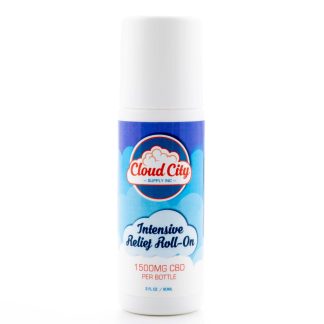
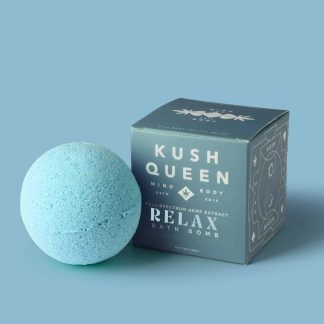
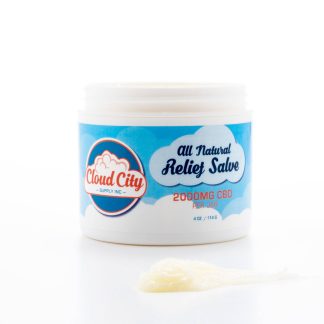
When you apply CBD to your skin, it is not absorbed into your bloodstream nor metabolized by your liver. Therefore, topical CBD products are safe to use regardless of what medications you are currently taking. Topical CBD products include creams, lotions, salves, balms, serums, bath salts, bath bombs, and oils. Topical CBD products are the safest way to experience the relaxation and relief CBD can bestow upon muscle aches and joint pains.


Oral CBD

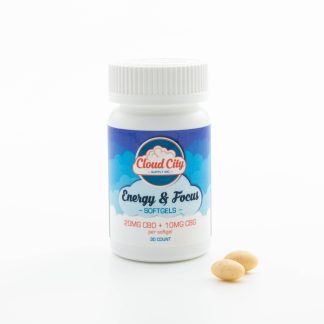
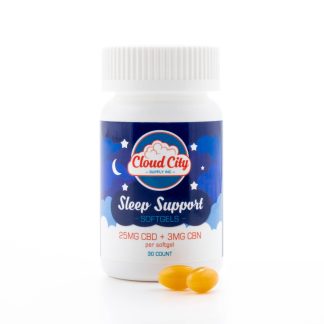
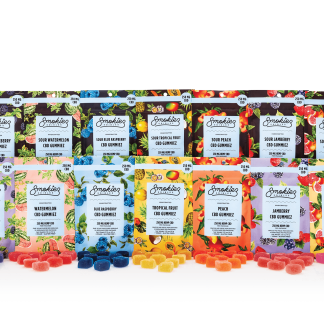
CBD in the form of gummies, capsules, softgels, pills, and beverages passes through your gut and is metabolized by your liver. Because CBD is broken down in the liver by binding to specific enzymes (p450 CYP3A4) that break down drug compounds in over 25% of over-the-counter medications, mixing it with prescription meds or other drugs presents a potential risk, as it may alter the efficacy or increase the blood levels of those medications. Depending on the medication, unintended side effects might include nausea, drowsiness, and even possible overdose with certain painkillers. Because CBD strongly affects these enzymes, we recommend asking your doctor or booking a free consultation with our in-house CBD coaches before experimenting if you are taking other medications.


How do you know if the medication you are taking is broken down by the p450 CYP3A4 enzyme?

Here’s one easy way to tell: If the label or pamphlet provided by your pharmacy says not to take the medication with grapefruit, then it is not safe to take with oral CBD products. Grapefruit contains compounds that also interact with the p450 CYP3A4 enzyme and thus suggest the same possible risks that mixing these medications with CBD do.


Sublingual CBD

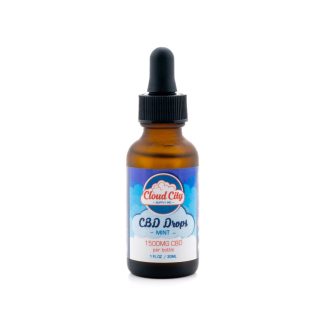
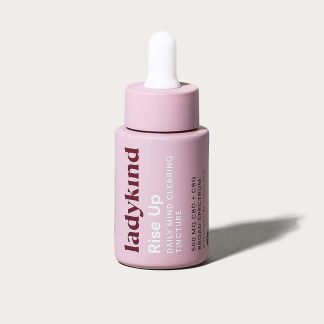
CBD oils and tinctures work by holding the liquid product under your tongue for 30 seconds before swallowing it. This is called sublingual administration, which bypasses liver metabolization and absorbs directly into the bloodstream. Generally, sublingual tinctures are safe for most consumers. However, because of the oral ingestion process, there’s a possibility a small amount could still reach the gut and be metabolized by the liver, which could present some of the same risks as oral CBD products.


In addition to confirming with your doctor or one of our in-house CBD coaches, we recommend discontinuing your use of CBD with other medications or enforcing a two-hour waiting period between the time you take your medication and the time you administer CBD sublingually if you feel an increase in drowsiness or any other unwanted side effects.


Book your free CBD consultation today

We will always encourage you to err on the side of caution and advise you to seek confirmation from a medical professional before starting any supplement, including CBD. Since many physicians and health providers are not formally educated about CBD, feel free to bring this article to your appointment for reference. Otherwise, you can book a free consultation with one of our in-house CBD coaches who are available to answer any questions you have.


Helpful Definitions

CYP3A4 – a p450 liver enzyme that CBD inhibits when taken orally, potentially causing a drug interaction with over 25% of prescription drugs.

Sublingual – delivery of drug through the tongue so it is quickly absorbed into the bloodstream and avoids first-pass metabolism.